Car Window Tint Simulator
Choosing a tint shade from a percentage on a price list is guesswork. 35% and 20% sound close together; on a car they look nothing alike. Use the simulator below to see every Madico shade on a sedan or SUV before you commit — then read on for what each percentage actually means for heat, glare and privacy, and how to choose the film underneath the shade.
Window Tint Simulator
How to read a tint percentage
Every tint number is a VLT figure — Visible Light Transmission, the share of visible light the film lets through the glass.
Lower number = darker film. 5% VLT transmits 5% of light and is nearly opaque; 70% VLT transmits 70% and looks almost clear. The number is not "how much tint you're getting" — it's how much light still gets in.
Two things drivers routinely get wrong:
Your glass is already tinted. Factory glass typically transmits 70–80% of light on its own. Applying a 35% film to it produces a net result darker than 35% — this is why the same film looks different on two cars, and why installers measure the finished window, not the film.
Darker does not mean cooler. On dyed films, heat rejection is tied to darkness. On ceramic films it isn't: Madico's WINCOS holds 90%+ infrared rejection at every shade from 5% to 75% VLT. A nearly clear ceramic film outperforms a very dark dyed one. Shade is a look decision; heat is a film decision. They're separate, and the rest of this page treats them that way.
Simulatore di tinta
What each shade looks like — and what it does

70% — nearly invisible
Looks like untinted glass to almost everyone. Chosen by drivers who want heat and UV protection with zero change in appearance, and by anyone in a state with a strict front-window limit. WINCOS 70 transmits 75% of visible light and still rejects 90% of infrared heat and 99% of UV — the clearest demonstration that performance doesn't require darkness. Glare reduction is minimal (16%), and it offers no privacy.
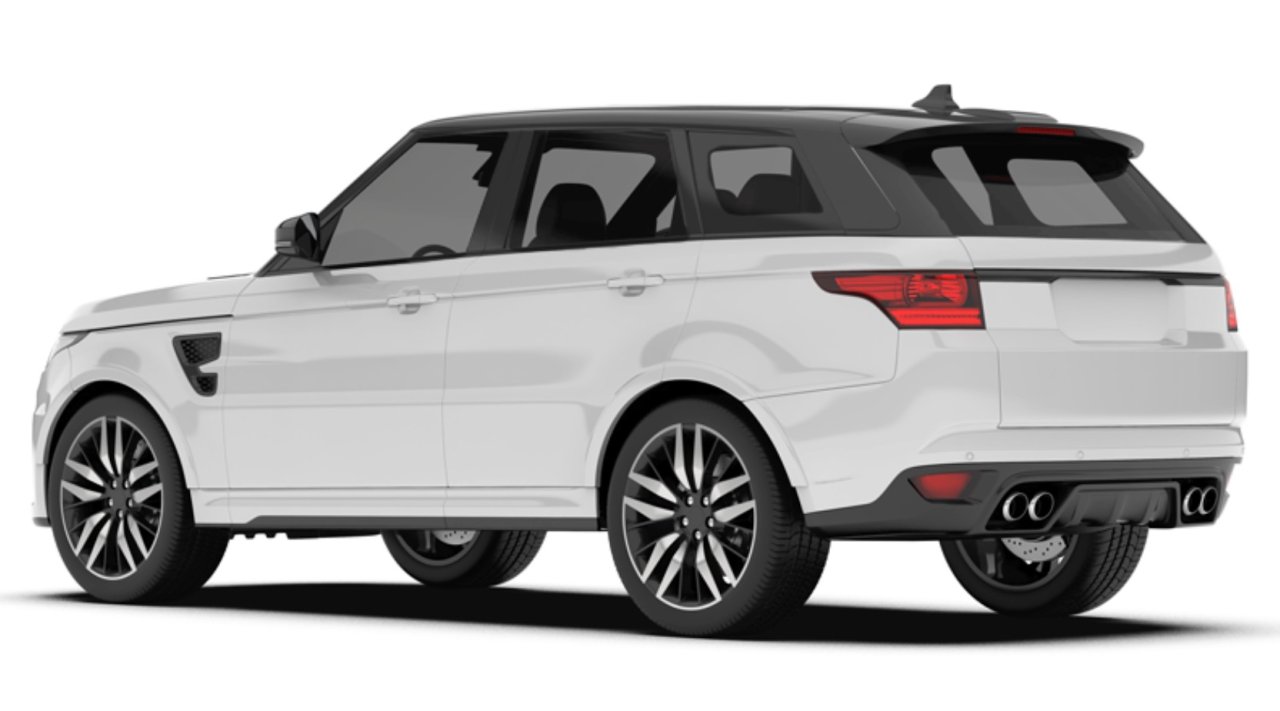
50–55% — a subtle warmth
A light, natural tone. You can still see occupants clearly. Cuts glare noticeably (around 37–41%) without a "tinted car" look. A common front-window choice paired with something darker at the rear.

35% — the most popular shade
The default request at most tint shops, and the most-searched shade by a wide margin. Occupants are visible but shaded; the car reads as tinted without looking blacked out. Glare reduction is meaningful (around 57–62%). It's the balance point between appearance, night visibility and legality — 35% is the most commonly permitted front-side limit across US states, though limits vary and your dealer will confirm the rule where you drive.
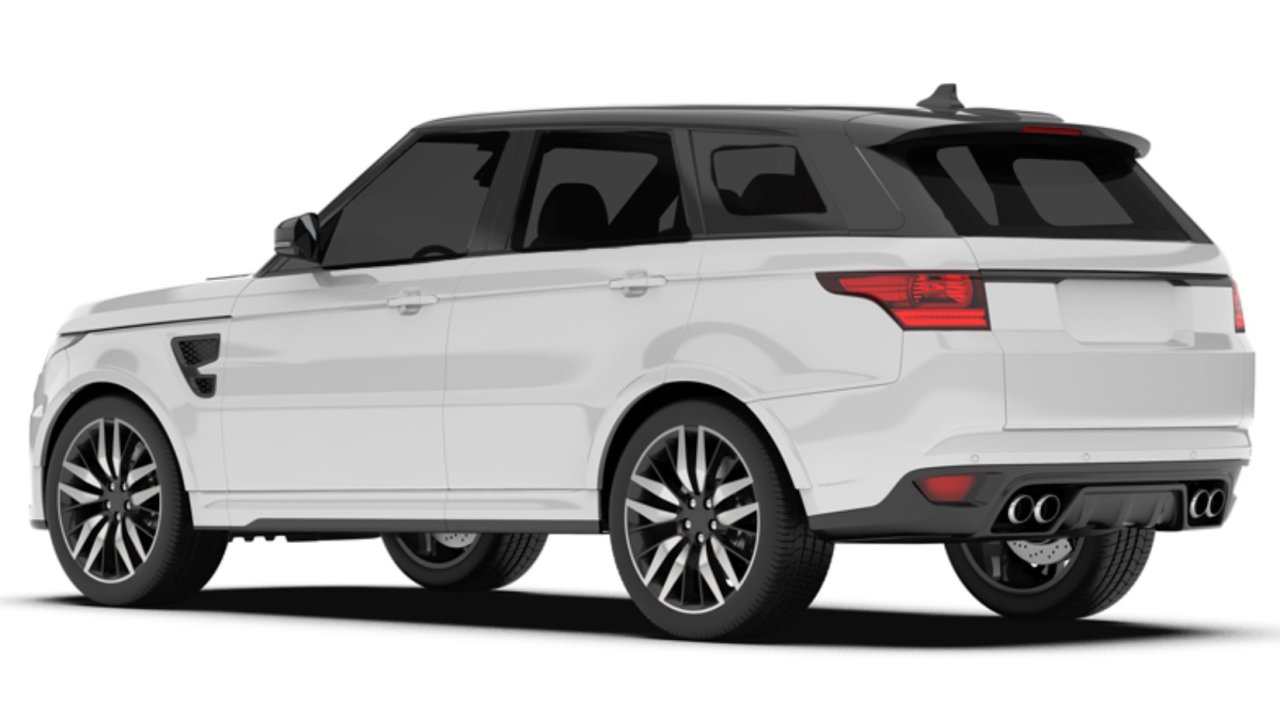
20% — noticeably dark
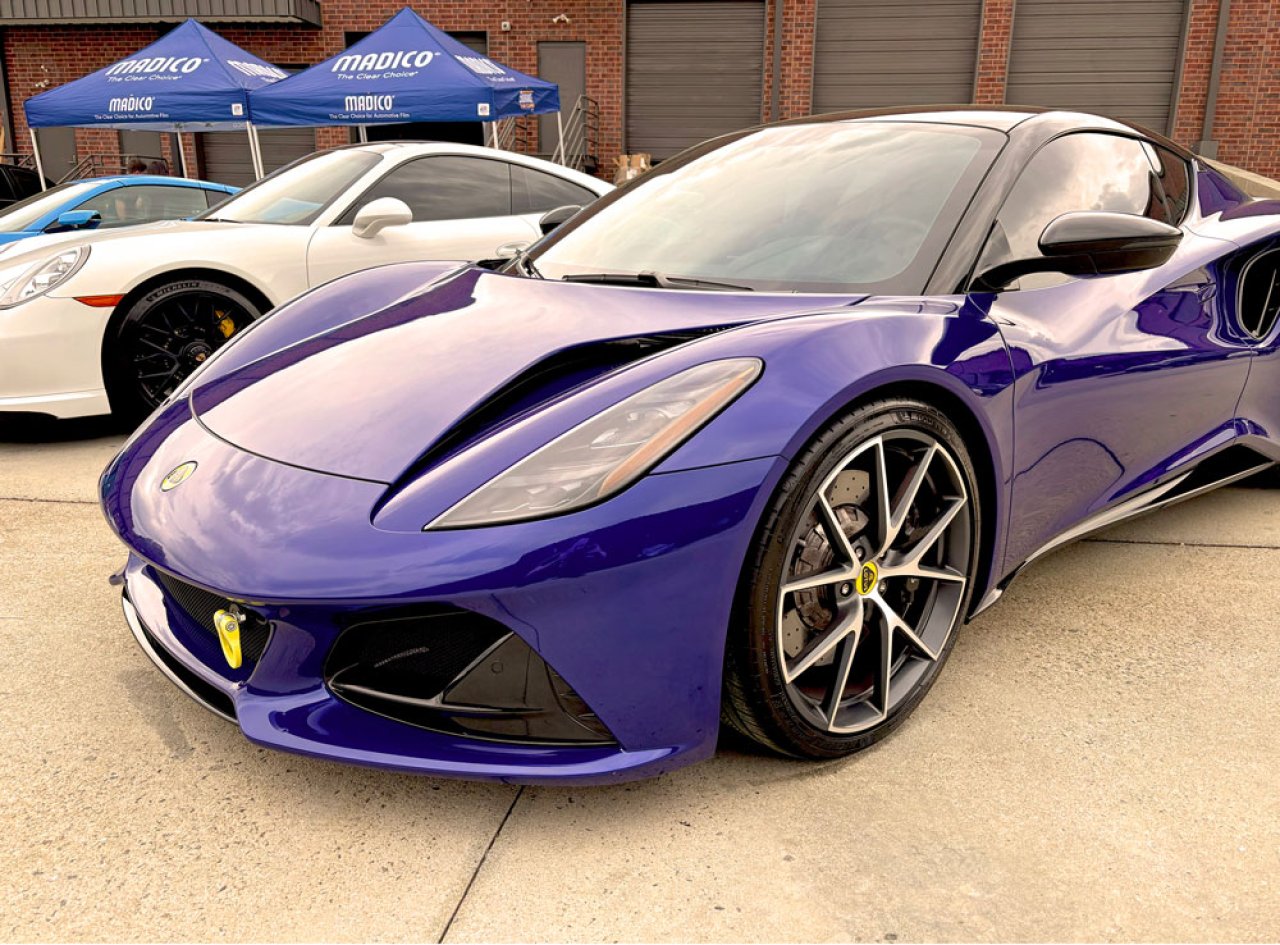
The line where privacy begins. Occupants are hard to make out from outside in daylight. Glare reduction climbs to roughly 75–79%. Night visibility drops enough that some drivers notice it on unlit roads — worth a real-world look before committing, which is what the simulator is for. Pictured 25% vlt.
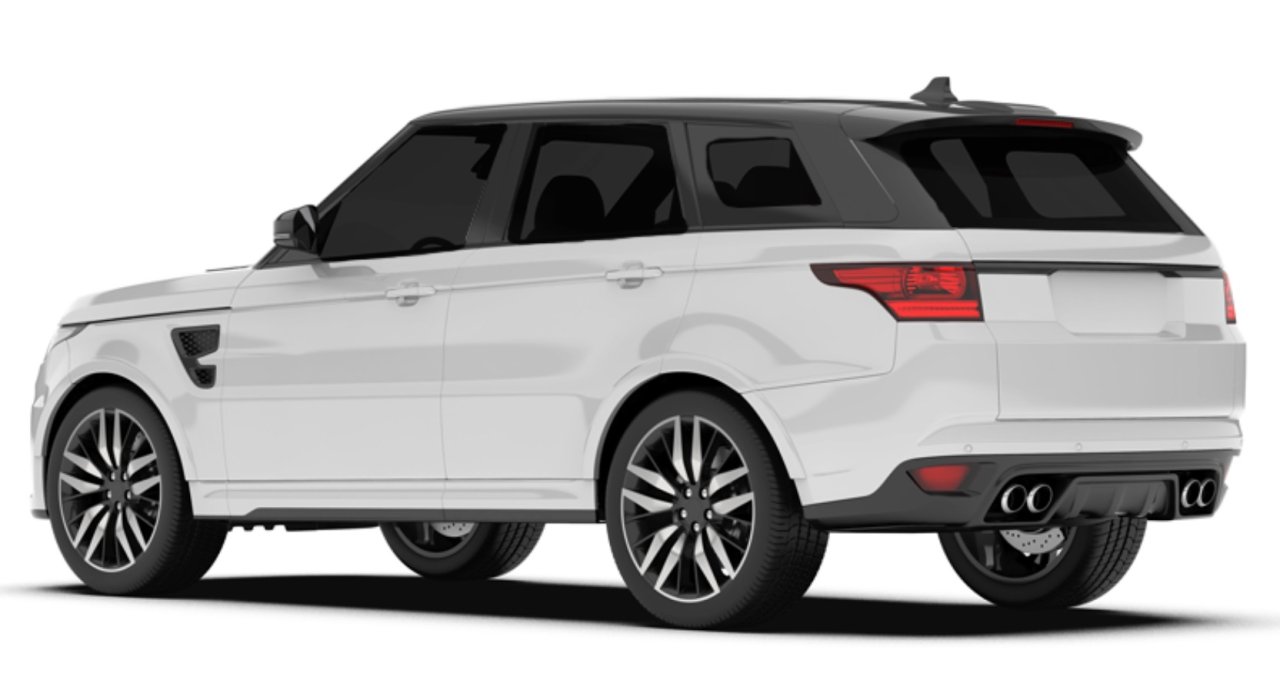
15% — limousine territory
Strongly private. Interiors are effectively concealed in daylight. Commonly used on rear windows behind the B-pillar, where most states allow darker film than the front.

5% — limo, and rear-only in most states
Nearly opaque from outside. Maximum privacy and glare control (**94–95% glare reduction**), and almost always restricted to rear windows. Reversing at night takes adjustment. **Tint laws vary by state and by window position** — the front side windows, rear side windows and rear windshield are usually governed by different limits, and windshield strips are separate again. Your local Madico dealer installs to the legal limit where you drive; confirm with them before choosing.
Now choose the film, not just the shade
The simulator shows you the shade. It can't show you what the film does — and at any given shade, Madico's films differ enormously in heat rejection. Same look, different performance:
| At the darkest shade | Construction | TSER | Infrared rejection |
|---|---|---|---|
| Wincos 3 | Nano-ceramic | 66% | 93% |
| Perla nera NC 05 | Nano-ceramic | 63% | 90% |
| GP Max 05 | Dye-in-laminate | 64% | 81% |
| Black Pearl HP 04 | Solution Dyed | 53% | 58% |
| Onyx 07 | Metallizzato | 49% | 47% |
| Black Pearl NR 04 | Solution dyed | 40% | 26% |
| Charcool 07 | Extrusion dyed | 38% | 26% |
Two films at an identical 5% shade — identical in the simulator, identical from the sidewalk — can differ by 67 percentage points of infrared rejection. That is the difference between a cool cabin and a dark one.
How to choose:
Maximum heat rejection at any shade → Ceramic window tint — 90%+ infrared rejection from nearly clear to nearly black, no metal, no signal interference.
Best value in a dyed film → the dyed and dye-in-laminate range on the automotive window tint page.
Common questions
Does the simulator show my exact car?
No — it renders a representative sedan or SUV. Your vehicle's glass shape, existing factory tint and paint colour all affect the finished look, which is why a dealer will hold physical film samples against your own windows.
Is 35% or 20% better?
Neither is better; they solve different problems. 35% keeps occupants visible and preserves night visibility — the safer everyday choice. 20% gives real privacy and materially more glare control, at the cost of some night visibility. If you want both, many drivers run a lighter front and darker rear, which most state laws are structured to permit.
Will a darker tint keep my car cooler?
Only on dyed films, and only modestly. Ceramic films reject infrared heat chemically rather than by blocking light, so a 70% ceramic film can out-cool a 5% dyed one. If heat is your priority, choose the film first and the shade second.
Can I see the tint at night in the simulator?
The simulator shows daytime appearance. Night visibility is the single thing worth testing in person before choosing 20% or darker — ask your dealer to show you a sample after dark.
What tint percentage is legal in my state?
Limits differ by state and by window position, and they change. Madico dealers install to the legal limit in their area — find a dealer and confirm before you book.
Ready to see it on your car?
Madico films are installed exclusively by certified dealers, and every installation carries a manufacturer's lifetime warranty for as long as you own the vehicle. Bring your shade to a dealer — they'll show you physical samples, confirm your state's limits, and quote the install.