Things to Never Leave in a Hot Car
Aug 27, 2026
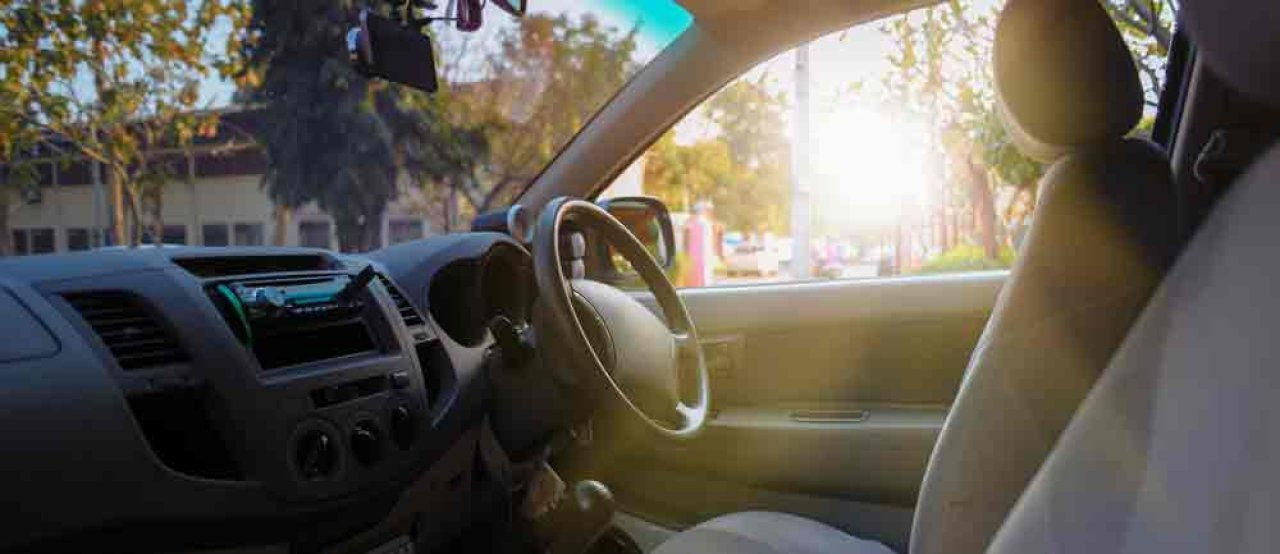
A parked car heats up faster than most people expect. According to the National Highway Traffic Safety Administration, the temperature inside a vehicle can climb about 20 degrees in just 10 minutes — and on a 70-degree day, the interior can pass 115°F. It does not need to feel hot outside for the inside of your car to become dangerous.
That heat damages everyday belongings, degrades things you may depend on, and creates a genuine safety risk for children, older adults, and pets.
Here is what not to leave in a hot car, how hot a parked car actually gets, and what you can do to keep your vehicle cooler.
How Hot Does a Car Actually Get?
The interior of a parked car climbs fastest in the first 10 to 20 minutes, and cracking the windows makes very little difference. Roughly what to expect:
Outside temperature | After 10 min | After 20 min | After 30 min | After 60 min |
|---|---|---|---|---|
70°F | ~89°F | ~99°F | ~104°F | ~113°F |
80°F | ~99°F | ~109°F | ~114°F | ~123°F |
90°F | ~109°F | ~119°F | ~124°F | ~133°F |
95°F | ~114°F | ~124°F | ~129°F | ~138°F |
100°F | ~119°F | ~129°F | ~134°F | ~143°F |
Based on vehicle heating measurements by Jan Null, San Jose State University, published in Pediatrics (2005) and used by the National Weather Service. After one to two hours the rise reaches roughly 45–50°F.
Three things stand out. First, most of the damage is done early — two-thirds of the total temperature rise happens in the first 20 minutes, and the car gains roughly 20 degrees in the first 10 minutes regardless of how warm it is outside. Second, a mild spring day is enough to push a car's interior past 100°F. Third, the researchers also tested the cars with the windows cracked open and found it made little difference.
It is also worth knowing where that heat comes from. Sunlight passes through the glass and is absorbed by the surfaces inside, which then radiate heat into the trapped air. A dark dashboard, steering wheel, or seat can reach 180–200°F in direct sun. That is why interior color matters so much — and why blocking solar energy at the glass, before it ever reaches those surfaces, is the most effective intervention.
That is the temperature your belongings, and anyone left inside, are actually sitting in.
What Not to Leave in a Hot Car
Most people treat the car as extra storage. These are the items that heat damages fastest.
Electronics
Phones, tablets, laptops, cameras, and portable game consoles should not be left in a hot vehicle. Heat degrades lithium-ion batteries permanently, can distort LCD screens, and may cause a device to shut down or refuse to charge. Laptops and televisions are especially vulnerable — a large screen left flat on a back seat in direct sun can warp or develop permanent discoloration, and manufacturers typically rate storage only up to around 110°F. If you are transporting a new TV or monitor on a hot day, take it inside rather than leaving it in the car overnight.
Medication
Most medications are meant to be stored at controlled room temperature, roughly 68–77°F. Heat can break down active ingredients, shorten shelf life, and reduce effectiveness. This matters most for the medications people are most likely to keep in a car for emergencies — EpiPens, asthma inhalers, and insulin all lose potency when they overheat. If you carry any of these, carry them with you rather than leaving them in the glovebox.
Aerosol Cans
Hairspray, dry shampoo, deodorant, spray sunscreen, and spray paint are all stored under pressure, and most are labeled not to be stored above 120°F — a threshold a parked car crosses easily on a warm day. Heat causes the contents to expand and raises the risk of the can rupturing, which makes a mess that is difficult and expensive to clean out of upholstery. The same applies to bear spray and other pressurized irritants, which can contaminate an entire cabin if they burst.
Sunscreen
Sunscreen is one of the most commonly forgotten items in a car, and heat breaks down the active ingredients that make it work. A bottle that has spent the summer in a glovebox may offer noticeably less protection than the label claims. Heat can also cause bottles to expand and leak.
Sunglasses and Eyewear
Sunglasses and prescription glasses combine plastics, metals, adhesives, and specialized coatings, all of which expand at different rates. Left on a dashboard, frames can warp, lenses can distort, and anti-reflective or polarized coatings can bubble or peel. Keep them in a case or take them with you.
Food, Candy, and Groceries
Chocolate and candy melt within minutes, and the residue is difficult to get out of fabric. Perishables are the bigger problem: bacteria multiply rapidly above room temperature, so groceries should not sit in a warm car for more than about two hours — or one hour when it is above 90°F. Spoiled food also leaves odors that can be very hard to remove from a car's interior.
Plastic Water Bottles
Plastic bottles can warp, expand, and leak in high heat. Studies have found that prolonged heat exposure can accelerate the migration of chemicals from the plastic into the water, and a clear bottle sitting in direct sun can act as a lens — there are documented cases of focused sunlight through a water bottle scorching upholstery. Beyond all that, a bottle that has been sitting in a hot car for days is simply not pleasant to drink.
Canned and Bottled Drinks
Soda cans are sealed under pressure, and heat increases that pressure. In an extremely hot car a can can rupture or burst a seam, spraying sticky liquid across the interior. Beer and wine suffer differently: heat accelerates chemical changes that flatten flavor, and wine can push its cork out as the liquid expands. Neither is dangerous, but both create a mess and ruin the product.
Lighters and Matches
A butane lighter left on a hot dashboard is a real hazard. Heat causes the pressurized fuel inside to expand, which can crack the casing, cause a leak, or in the worst case lead to a rupture or fire. Lighters are small enough to forget and easy to remove — take them out.
Batteries
Loose AA and AAA batteries can leak corrosive material at sustained temperatures above roughly 100°F. Lithium-ion batteries — in power banks, portable chargers, cordless tool packs, and vapes — are more serious: heat can cause them to swell, vent, or in rare cases catch fire. Disposable vapes are a common one, since the combination of a lithium cell and a pressurized liquid reservoir means heat can cause both leaking and battery failure.
Ammunition and Firearms
Modern ammunition is designed to tolerate reasonable heat, and a parked car will not normally reach a temperature that causes rounds to fire on their own. Sustained heat can, however, degrade propellant and affect reliability over time, and heat is hard on the polymers and lubricants in a firearm. Beyond the heat question, a firearm in a parked vehicle is a theft risk — vehicle break-ins are a significant source of stolen guns. Take it with you or secure it properly.
Perfume, Cologne, and Cosmetics
Fragrances are alcohol-based and heat-sensitive; high temperatures break down the aromatic compounds and can noticeably change how a scent smells. Lipstick, lip balm, and cream cosmetics simply melt, and heat can separate the emulsions in liquid foundation and sunscreen-based makeup.
Plants, Flowers, and Live Goods
Cut flowers wilt within minutes in a hot car, and potted plants can be killed by a single afternoon in a closed vehicle. If you are transporting either on a warm day, run the air conditioning and make it the last stop rather than the first.
Never Leave Children, Pets, or Vulnerable Adults in a Parked Car
Everything above is about property. This is not.
More than 1,000 children have died of vehicular heatstroke in the United States since 1998 — 1,067 as of August 2026 — an average of about 37 per year. Most of those deaths were not intentional: across the 1,041 cases reviewed from 1998 through 2025, 52.9% involved a caregiver who forgot the child was in the vehicle, and a further 23.8% were children who climbed into an unattended car on their own and became trapped. That second figure is the reason it is worth locking your car even when nobody is in it.
Children are at far greater risk than adults because a child's body temperature rises three to five times faster than an adult's. Heatstroke begins when core body temperature reaches about 104°F, and becomes fatal at 107°F. Given the heating rates in the table above, a child in a car on a 90-degree day can reach that threshold in well under an hour.
Older adults, people with chronic illness, and pets are vulnerable for related reasons — less effective temperature regulation, and, when strapped into a seat, harness, or carrier, no ability to move somewhere cooler or get out.
Two things that do not make a parked car safe:
Cracking the windows. NHTSA is explicit that rolling windows down does little to change the interior temperature.
Leaving the air conditioning running. It is unreliable over any length of time — the engine can stall, the system can fault, and a running unattended vehicle creates its own risks.
The only safe option is to take them with you. And if you see a child or animal alone in a locked car and in distress, call 911 immediately.
How to Keep Your Car's Interior Cooler
None of these make a parked car safe for a person or a pet. They do make your car more comfortable to return to, and they reduce long-term sun damage to the interior.
Park in the Shade
A garage, a covered structure, or even a tree makes a measurable difference by cutting direct solar gain on the glass and roof. If you are parking for several hours, it is worth walking a little farther for it.
Use a Windshield Sunshade
The windshield is the single largest opening for solar energy. A reflective sunshade keeps the dashboard, steering wheel, and front seats significantly cooler and slows how fast the cabin heats up — worth it for the steering wheel alone.
Ventilate Before You Drive
Open the doors or windows for 30 to 60 seconds before getting in, and run the air conditioning on fresh air rather than recirculate for the first minute or two. Pushing the superheated air out is faster than trying to cool it.
Install Automotive Window Film
Window film addresses the cause rather than the symptom: it blocks solar energy at the glass, before it becomes heat inside the cabin. Quality automotive tint reduces heat buildup, blocks UV radiation, cuts glare, and protects upholstery, dashboards, and trim from the fading and cracking that comes from years of sun exposure.
Keep Your Car Cooler with Madico Automotive Window Film
When shade is not an option, Madico automotive window film gives your vehicle a permanent layer of protection.
Madico's nano-ceramic films reject up to 66% of total solar energy and as much as 93% of infrared heat — the part of sunlight you actually feel as warmth — while blocking 99% or more of UV rays and cutting glare by up to 94%. Less solar energy entering through the glass means a cooler cabin, less strain on your air conditioning, and far less fading and cracking of the surfaces you touch every day. The UV protection matters for you as well as the car: side and rear glass block far less UV than a windshield does.
From daily commutes to long summer drives, Madico window film is a straightforward investment in comfort, protection, and the long-term condition of your vehicle.
Find a Madico dealer near you to talk through the right film for your car.
Frequently Asked Questions
How hot does a car get in the sun?
A parked car gains roughly 20°F in the first 10 minutes and about 43°F after an hour. On a 70°F day the interior can pass 115°F; on a 95°F day it can approach 140°F. Two-thirds of that heating happens in the first 20 minutes, and cracking the windows makes very little difference.
Is it safe to drink water from a bottle left in a hot car?
For a single afternoon, an occasional bottle is not considered a meaningful health risk. Repeated or prolonged heat exposure is different — heat accelerates the migration of chemicals from the plastic into the water, so bottles that live in your car through a hot summer are best replaced rather than consumed.
Can a lighter explode in a hot car?
It is uncommon but possible. Heat causes the pressurized butane inside to expand, which can crack the casing or cause a leak; in extreme heat and direct sunlight, rupture and fire have occurred. Since a lighter takes two seconds to remove, there is no reason to leave one on a dashboard.
Will soda cans explode in a hot car?
They can. Cans are sealed under pressure and heat increases it, so an extremely hot car can cause a can to rupture or burst a seam. It is rare below about 150°F, but the cleanup is unpleasant enough to make it worth taking drinks inside.
Can you leave a laptop or TV in a hot car?
It is not recommended. Most consumer electronics are rated for storage only up to about 110°F, which a parked car exceeds routinely. Heat permanently degrades lithium-ion battery capacity and can warp or discolor LCD and OLED panels. If you must transport one on a hot day, keep it in the cabin with the air conditioning running rather than in the trunk.
Does window tint keep a car cooler?
Yes. Window film blocks a portion of solar energy at the glass before it becomes heat inside the cabin. Nano-ceramic films are the most effective, rejecting up to 66% of total solar energy and up to 93% of infrared heat, which both lowers peak interior temperature and reduces long-term sun damage to the interior.